7 Mistakes to Avoid When Buying Autographed Sports Memorabilia
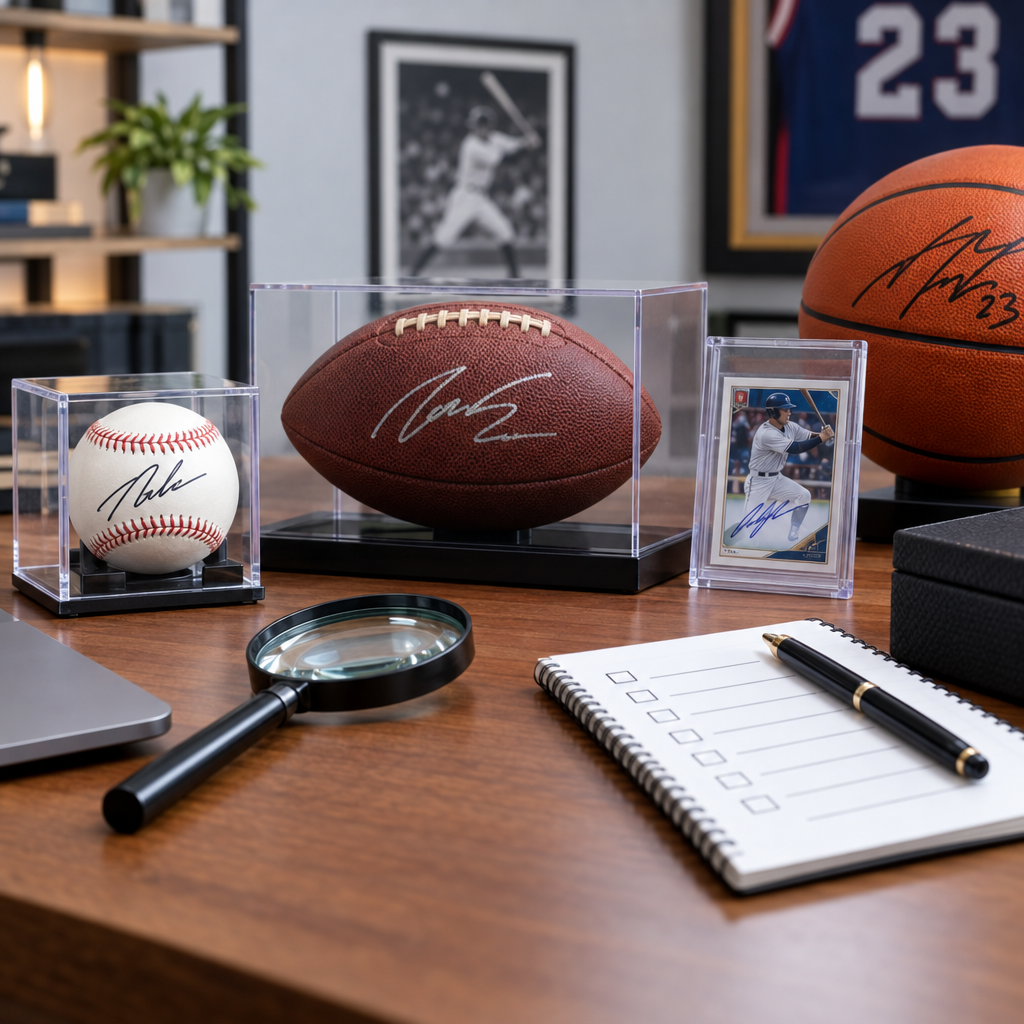
7 Mistakes to Avoid When Buying Autographed Sports Memorabilia: FAQs
Picking up autographed sports memorabilia can be fun, and sometimes even a bit addictive for fans and collectors. Whether you're thinking about a signed jersey, a helmet, or something rare, making the right move matters. Mistakes here can hit your wallet—or worse, leave you with a forgery. This FAQ tackles some of the most common questions around buying legit sports memorabilia, spotting fakes, and making sure your collection is worth keeping.
1. How Can I Be Sure an Autograph Is Authentic?
Authentication is everything when you're buying signed memorabilia. Let's face it, forgeries are everywhere. If you don't verify a signature, you might end up with just a scribble.
- Stick with certified autographed sports memorabilia that’s been approved by big names like PSA/DNA, Beckett Authentication Services (BAS), or James Spence Authentication (JSA).
- Always ask for a Certificate of Authenticity (COA) from one of these trusted sources.
- Check for tamper-evident holograms or serial numbers you can look up online.
- Be skeptical of generic COAs from sellers or unknown companies—those don't mean much.
Double-check every COA and match the item's details with the authenticator’s database. If a seller can’t provide proof from a well-known source, that’s usually your cue to walk away.
2. What Are the Most Common Mistakes When Buying Signed Sports Collectibles?
It's easy to slip up when buying autographed items, especially if you're new to it. Here are the biggest mistakes people make:
- Skipping the authentication check.
- Choosing sellers who aren’t vetted or trusted.
- Not looking up current prices and overpaying.
- Overlooking the item’s condition—think bent cards or stained shirts.
- Assuming every COA is trustworthy.
- Ignoring where the item came from (its history).
- Buying online without seeing the item in person.
Sidestepping these mistakes gives you a much better shot at building a collection of authentic sports memorabilia that keeps its value.
3. What Should I Look for in a Certificate of Authenticity (COA)?
A Certificate of Authenticity only matters if it comes from a respected company. Here’s how to judge a COA:
- Go for COAs from top groups like PSA/DNA, Beckett, or JSA.
- Check for a serial number and a hologram that matches the item.
- Verify all the info on the authentication company’s site—make sure it lines up with your item.
- Ignore COAs from random companies or ones that can't be verified online.
- If there’s a photo of the athlete signing, that’s nice, but it doesn’t replace real authentication.
If you’re not convinced by a COA, talk to an expert or get another opinion before buying.
4. How Can I Spot a Fake Sports Autograph?
No one wants to be stuck with a fake. Here’s what to watch for:
- Odd signatures: Compare the autograph to real samples online or in signature guides.
- Prices that seem off: If it’s way cheaper than expected, that’s usually a warning.
- Strange ink or signature placement: Real signatures are usually clear and in sensible spots—like front and center on a jersey, not hidden away.
- No authentication: If you can’t see proof, skip it, especially with unknown sellers.
- COAs that lack detail: Generic or vague paperwork isn’t reassuring.
Unsure? Show the piece to a known dealer or authentication expert and get their take.
5. Should I Only Buy from Trusted Sports Memorabilia Sellers?
Yes—you should. Dealing with trusted sports memorabilia sellers cuts the risk of getting burned by fakes or high markups. Here’s why that matters:
- Good sellers work with top authentication companies and usually offer a money-back promise on authenticity.
- They’ll be upfront about an item’s background and show you detailed photos and paperwork.
- Sellers with a reputation to protect won’t want the risk of dealing in questionable items.
Check reviews, ask for references, and make sure the business is legit before you buy anything.
6. What Are the Risks of Buying Autographed Sports Memorabilia Online?
Shopping online is easy, but there are some risks with signed sports memorabilia:
- No way to see it in person: You can't check the signature or item’s shape yourself.
- Photos can mislead: Images might hide flaws or fakes, and editing is common.
- Descriptions aren’t always clear: Sellers might leave out important details on authenticity or condition.
- Scams and fake sites exist: Stick to well-known marketplaces or established dealer sites.
If you're buying online, ask for sharp photos, full authentication info, and make sure there’s a good return policy. Payment options with buyer protection are always safer.
7. Do All Types of Autographed Sports Collectibles Require the Same Level of Scrutiny?
Every autographed collectible—cards, jerseys, helmets, balls—needs to be checked for authenticity. Still, some get faked more than others.
- High-value pieces like rookie cards, game-worn gear, or Hall of Famer items attract more fraud.
- Big-name athletes (think Michael Jordan, Tom Brady, Babe Ruth) see more forgeries because demand is sky-high.
No matter what you’re buying, always demand authentication from a respected company. Even lower-priced items can get faked, so don’t let your guard down.
Final Thoughts: Build Your Collection the Right Way
If you want a collection of authentic sports memorabilia, it comes down to knowing what to look for, being careful, and always sticking with trusted sellers. Avoid the usual mistakes—especially around authentication—and you'll end up with autographed items that actually mean something.
Do the research, use reliable authentication services like Beckett, PSA/DNA, and JSA, and enjoy collecting with confidence.